Why the Same Jacket Length Reads Completely Differently on Two People
Quick Answer: A jacket hem creates a horizontal line, and the eye reads that line as a division point. On a short torso, a hem that sits at or just below the natural waist compresses an already-short section further. Hems that sit above the waist or well below the hip work better, and the zone in between is the one to avoid.
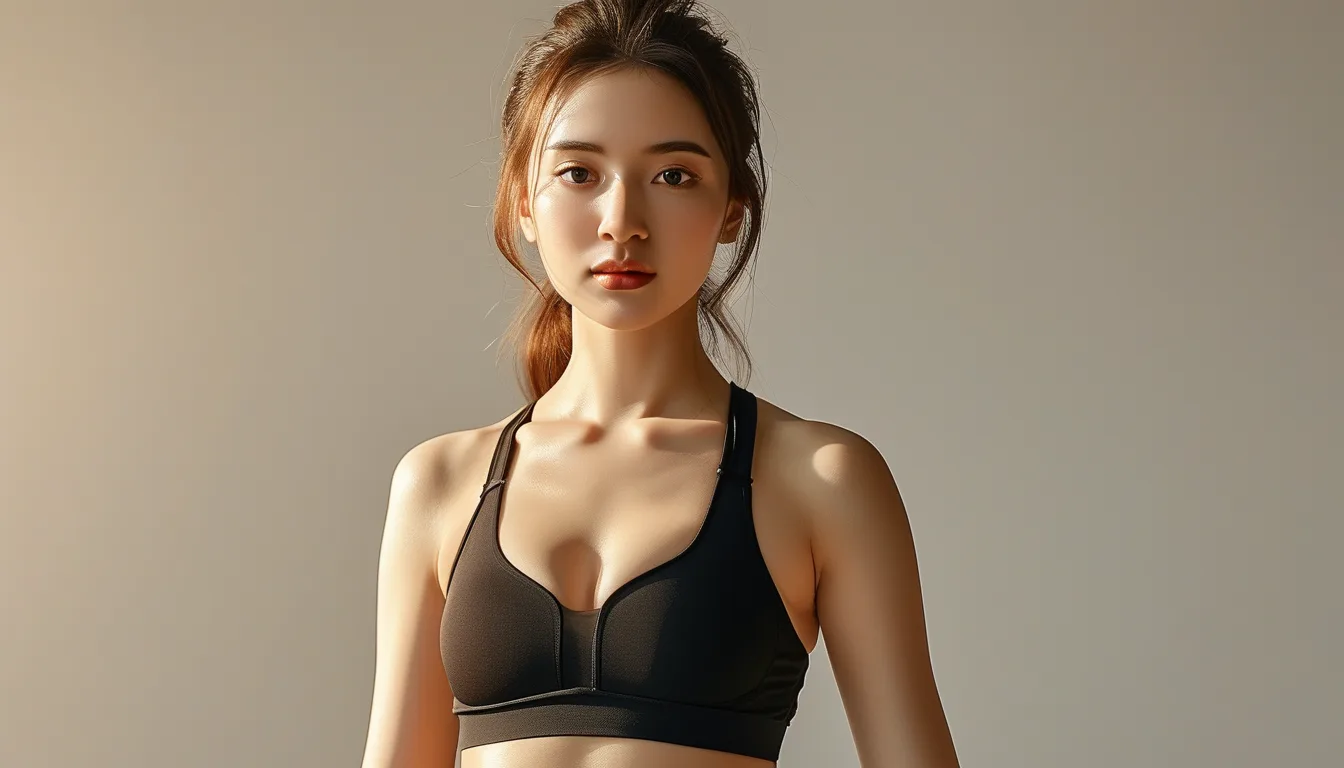
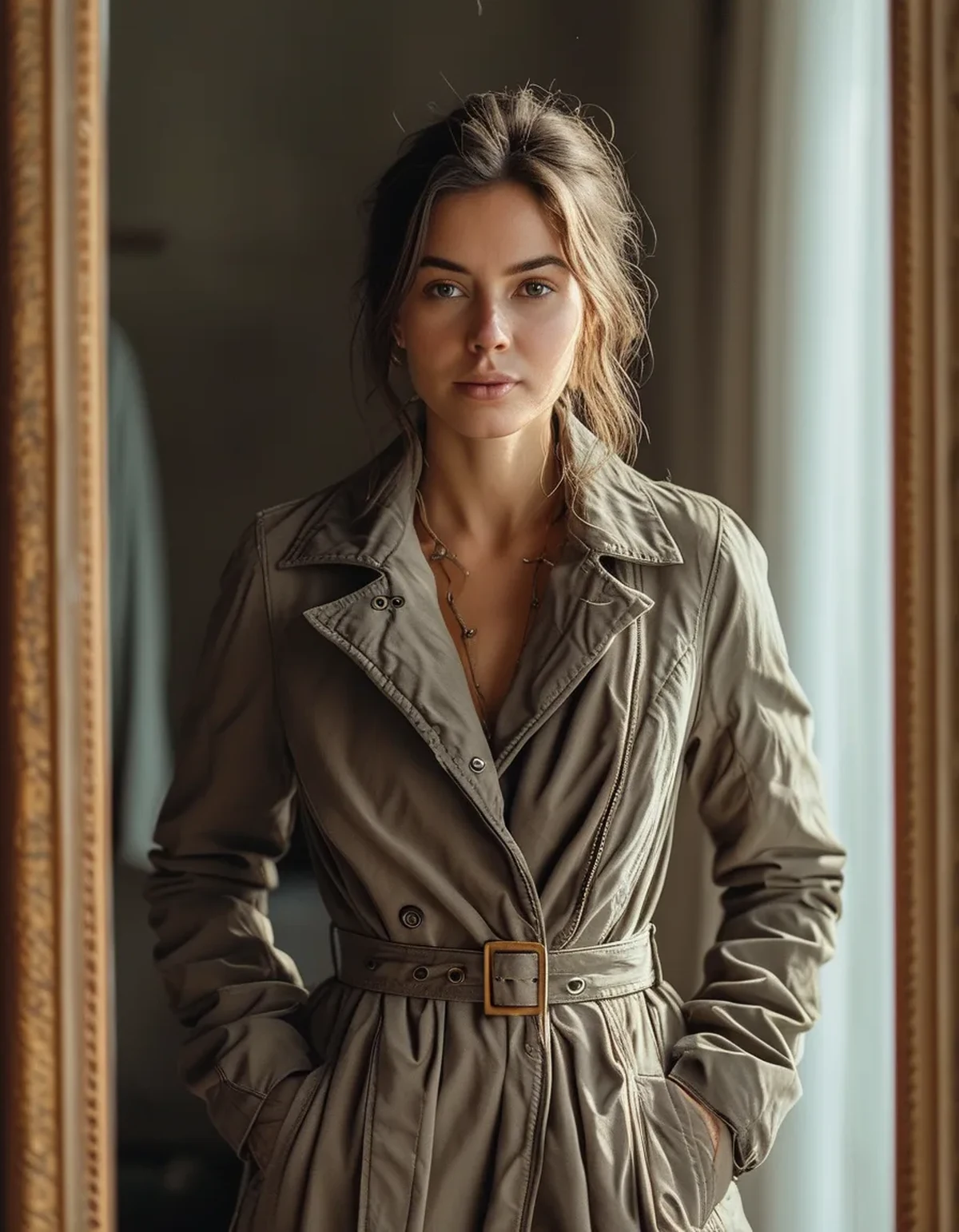
Your friend wears the exact jacket and looks longer through the body. You wear it and look shorter. Same garment, same size. The hem is landing in a different place relative to your proportions, and that placement is doing all the work.
Why does the hem position matter so much?
Because a horizontal line at a boundary reads as the end of a section.
When a jacket hem sits at a particular height, the eye reads everything above it as one block and everything below as another. The apparent length of your torso becomes the distance from your shoulder to that hem, not the distance to your actual waist.
This is why hem placement has more visual impact than jacket color, fabric, or cut. Those affect the impression; the hem determines the proportion.
Three zones behave differently:
Above the natural waist (cropped) — creates a short upper block and a long lower one. On a short torso this works well, because it makes the leg line start visually higher.
At or just below the natural waist — the problematic zone for short torsos. It marks the torso as ending exactly where it does, with no extension, and adds a second horizontal line close to your waistband.
Well below the hip (longline) — creates a single long block. This also works, by a different mechanism: it removes the break entirely rather than repositioning it.
How do you find your own natural waist?
Necessary before any of this is actionable, and most people place it lower than it actually is.
The reliable method: bend sideways at the waist. The crease that forms is your natural waist. It’s usually higher than where you wear your trousers, sometimes considerably.
Then measure two distances: from the base of your neck to that crease, and from the crease to the floor. The ratio between them is what determines which jacket lengths work.
Roughly: if the upper measurement is noticeably smaller than half the lower, you have a shorter torso relative to your legs, and the cropped or longline options apply. If they’re closer to balanced, you have more freedom and mid-length jackets will work fine.
Why the standard advice misses
Most jacket-length guidance is written for balanced proportions and describes hitting at the waist as universally flattering. It’s flattering when your torso has length to spare. When it doesn’t, that same placement is exactly the one that emphasizes what’s short.

What about the second horizontal line?
The underrated part of this, and the one that explains why a technically correct jacket can still look wrong.
Your waistband is already a horizontal line. Adding a jacket hem near it creates two lines a few inches apart, which reads as a compressed band rather than a clean division. The eye registers clutter.
The rule that follows: put meaningful distance between the two lines, or align them exactly.
Meaningful distance means the jacket hem at least four inches from the waistband — either well above (cropped over a high-rise) or well below (longline over anything).
Aligned exactly works too, and it’s why a jacket whose hem sits precisely at the waistband can look sharp. One line instead of two.
What fails is the near-miss — a hem two inches below the waistband. It’s the most common jacket length on the market and the least forgiving for a short torso.
The fall layering version
This compounds as you add layers. A cropped jacket over a longer shirt over a high-rise waistband creates three lines. Pick one to be visible and let the others align or hide — usually by tucking the shirt so its hem disappears, leaving the jacket hem and the waistband as a single visual event.
5 Mistakes That Shorten a Short Torso Further
1. Wearing a mid-length jacket open over a contrasting top. The open jacket creates two vertical lines, which helps, but a contrasting top creates a horizontal at the hem of the jacket and draws attention to the torso block. Matching the top to the jacket avoids this.
2. Belting at the hip instead of the waist. A low belt marks a division below your actual waist, which lengthens the torso section visually — the wrong direction. Belt at the natural waist or not at all.
3. Choosing a cropped jacket that’s cropped for a longer torso. Many cropped jackets are cut to end above a standard waist. On a short torso the same garment lands at the waist, which puts you in the problem zone despite buying the right style.
4. Layering same-length pieces. A jacket and a cardigan that end within an inch of each other create visual noise without adding length. Stagger them by at least four inches.
5. Ignoring the sleeve length. Sleeves ending at the natural waist add another horizontal at exactly the height you’re trying to avoid marking. Slightly longer or slightly shorter sleeves change more than expected.
FAQ: Jacket Proportion Questions, Answered
Does this apply to coats too?
Yes, and more strongly — the hem is larger and the line more emphatic. Longline coats are generally the safer choice on a short torso.
What about jackets with no defined hem, like open cardigans?
They’re much more forgiving, because a soft open front reads as vertical lines rather than a horizontal break. This is why draped cardigans work on almost everyone.
Should I always tuck my top in?
Not always, but tucking removes one horizontal line, which usually helps. A half tuck at the front achieves most of it with less formality.
Does jacket structure matter as much as length?
Less. Structure affects the impression; length affects the proportion. Get length right first.
Is there a jacket length that works for everyone?
Longline comes closest, because it removes the break rather than positioning it. It’s the safest bet when you can’t try something on.
TL;DR:
- A jacket hem is read as the end of your torso, whatever your actual waist does
- On a short torso, cropped (above waist) and longline (below hip) both work; the zone between is the problem
- Find your natural waist by bending sideways — it’s usually higher than where you wear trousers
- Keep at least four inches between the jacket hem and the waistband, or align them exactly
- Stagger layered pieces by four inches and watch sleeve endings too
The jacket that works on someone else isn’t a different jacket. Its hem is landing somewhere else on their body, and that single variable is most of what you’re seeing.
Keep Reading
This article is for general informational and styling purposes only. Fit, sizing, and product availability may vary.